Mondo Knows Facts
High heels were originally designed for male cavalry riders
Tenth-century Persian soldiers wore raised heels to lock boots into stirrups
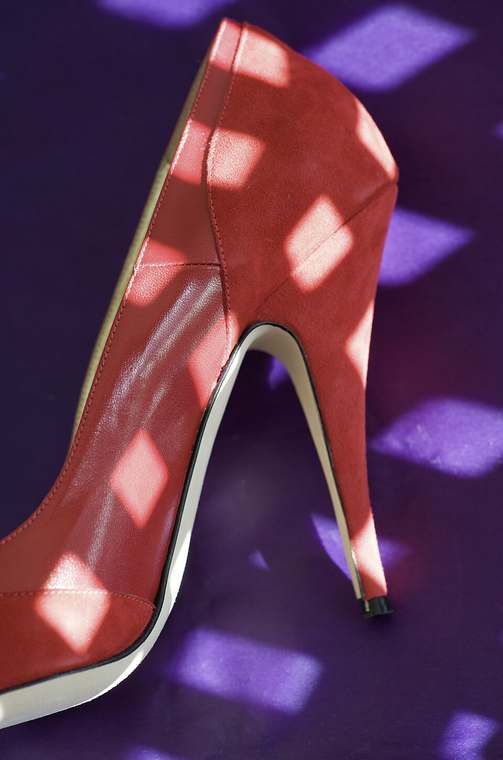
High heels were originally designed in tenth-century Persia for male cavalry riders. Raised heels locked soldiers' feet securely into stirrups while standing up to shoot arrows from horseback. European aristocrats later adopted elevated heels as status symbols during the seventeenth century.
Where this comes from
Facts that can change over time are reviewed and updated. If something here looks wrong, Mondo would rather know than be confidently incorrect.
Go further
More facts like this
The modern necktie originated from 17th-century Croatian neck scarvesFrench fashion adopted knotted silk cravates worn by Croatian mercenary troopsMen's and women's shirts traditionally button on opposite sidesHistorical dressing customs created opposing button placement for men and womenBritish and American shoe sizes are based on barleycorn lengthsShoe size increments historically equal one-third of an inch per size stepThe plastic or metal tip on a shoelace is called an agletAglets prevent shoelace fibres from fraying and ease eyelet threadingTying shoelaces with a square reef knot stops shoes unlacingProperly balanced shoelace bow knots prevent walking vibrations from loosening lace endsMilled coin edges were introduced to prevent precious metal clippingIsaac Newton introduced reeded coin perimeters to expose illegal metal shaving
Tags: footwear, fashion, history
High heels were originally designed for male cavalry riders: the short answers
- Where does this come from, and can I check it?
- Tenth-century Persian soldiers wore raised heels to lock boots into stirrups. The figure is taken from Encyclopaedia Britannica, which is linked in full on this page. Every fact on Mondo Knows names its source rather than repeating an unsourced claim.
- Is this really a everyday life fact?
- Yes. It sits on the Everyday Life shelf, one of 1,090 sourced facts grouped into space, animals, the human body, history, science and more. Category pages collect every fact in the same field.
- What else can I read about it?
- The links under the fact point to a quiz, game, puzzle or calculator on the same subject, and the shelf below shows related facts. The wording here is original, and quoted phrases are marked as quotations.