Mondo Knows Facts
Standard light bulb bases use Thomas Edison's 1909 screw thread
Century-old Edison screw specifications remain global electrical fitting standards
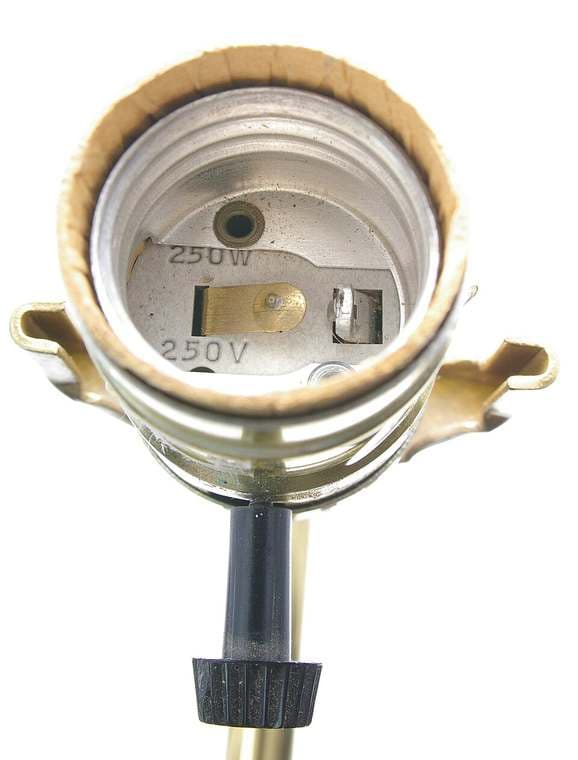
Thomas Edison designed the classic screw thread base for electric incandescent light bulbs in 1909, modelled after kerosene lamp metal caps. Designated by letter E, standardised bases like E27 remain global electrical fittings across residential homes over a century later.
Where this comes from
Facts that can change over time are reviewed and updated. If something here looks wrong, Mondo would rather know than be confidently incorrect.
Go further
More facts like this
Incandescent lightbulbs emit mostly heat rather than visible lightOver ninety per cent of electricity consumed by glowing tungsten filaments becomes heatNational power grids synchronize electrical generator frequency across countriesNorth America operates at sixty hertz while Europe and Asia use fifty hertz AC frequencyStandard C4 envelopes are sized to fit flat A4 paper sheetsISO envelope series measurements allow flat A4 documents to slide in smoothlyStandard A4 paper uses a unique mathematical aspect ratioThe side ratio of one to the square root of two preserves proportions when foldedStandard railway tracks measure four feet eight and a half inches wideTraditional wagon wheel spacing established global railway track gauge dimensionsPen caps contain ventilation holes to lower suffocation risksInternational safety standards mandate airflow channels inside swallowed pen caps
Tags: lighting, electricity, standards
Standard light bulb bases use Thomas Edison's 1909 screw thread: the short answers
- Where does this come from, and can I check it?
- Century-old Edison screw specifications remain global electrical fitting standards. The figure is taken from NIST, which is linked in full on this page. Every fact on Mondo Knows names its source rather than repeating an unsourced claim.
- Is this really a everyday life fact?
- Yes. It sits on the Everyday Life shelf, one of 1,090 sourced facts grouped into space, animals, the human body, history, science and more. Category pages collect every fact in the same field.
- What else can I read about it?
- The links under the fact point to a quiz, game, puzzle or calculator on the same subject, and the shelf below shows related facts. The wording here is original, and quoted phrases are marked as quotations.