Mondo Knows Facts
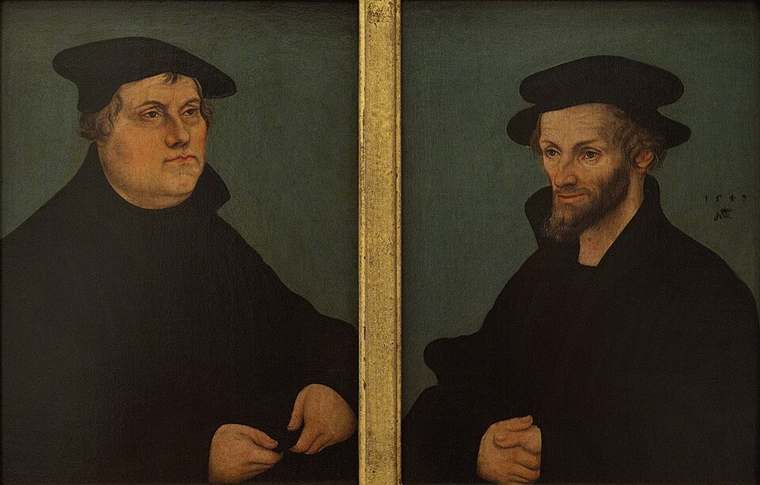
Martin Luther sparked the Reformation with his Ninety-five Theses
The German monk challenged Catholic indulgence practices in Wittenberg in 1517
In October 1517, theology professor Martin Luther circulated ninety-five academic propositions criticizing the sale of papal indulgences in Wittenberg. Translated into German and rapidly duplicated on printing presses, his writings questioned church authority and initiated the Protestant Reformation across Europe.
Where this comes from
Facts that can change over time are reviewed and updated. If something here looks wrong, Mondo would rather know than be confidently incorrect.
Go further
More facts like this
The Berlin Airlift supplied West Berlin during the Soviet blockadeWestern Allies flew over two hundred thousand cargo flights from 1948 to 1949East Germany constructed the Berlin Wall in August 1961Concrete barricades divided the city to stop emigration to West BerlinThe Magellan-Elcano expedition completed the first globe circumnavigationJuan Sebastian Elcano brought the Victoria home to Spain in 1522The English navy defeated the Spanish Armada in 1588King Philip II's invasion fleet was disrupted by fireships and severe Atlantic stormsJamestown became the first permanent English settlement in AmericaColonists established a fort along the James River in Virginia in 1607The Edict of Nantes granted religious rights to French ProtestantsKing Henry IV issued the decree in 1598 to end decades of religious war
Tags: martin luther, reformation, germany
Martin Luther sparked the Reformation with his Ninety-five Theses: the short answers
- Where does this come from, and can I check it?
- The German monk challenged Catholic indulgence practices in Wittenberg in 1517. The figure is taken from Encyclopaedia Britannica, which is linked in full on this page. Every fact on Mondo Knows names its source rather than repeating an unsourced claim.
- Is this really a history fact?
- Yes. It sits on the History shelf, one of 1,090 sourced facts grouped into space, animals, the human body, history, science and more. Category pages collect every fact in the same field.
- What else can I read about it?
- The links under the fact point to a quiz, game, puzzle or calculator on the same subject, and the shelf below shows related facts. The wording here is original, and quoted phrases are marked as quotations.