Mondo Knows Facts
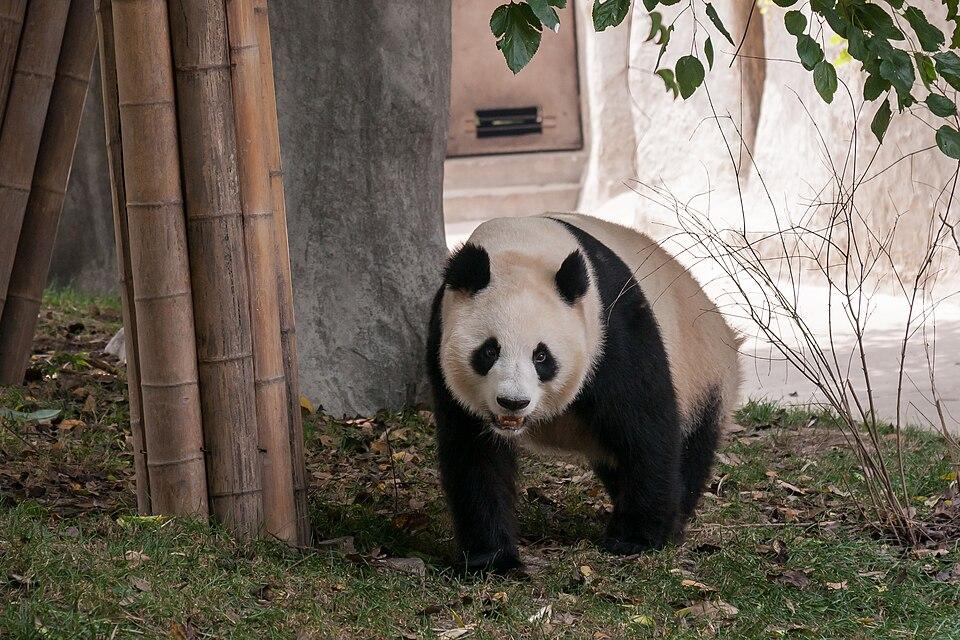
Giant pandas were hard to breed in captivity
Short fertility windows and choosy behaviour frustrated early programmes Females are receptive for only two or three days a year, and captive animals often showed no interest. Artificial insemination and shared studbooks improved results. Captive breeding now supplies animals for reintroduction work. It sits in Mondo's animals collection, one of 200 facts that each trace back to the reference below.
Where this comes from
Facts that can change over time are reviewed and updated. If something here looks wrong, Mondo would rather know than be confidently incorrect.
Go further
More facts like this
Camera traps count animals without meeting themHeat and motion triggers photograph passing wildlife, day or nightA radio collar maps a wolf pack's territoryFixes taken every few hours reveal range size, routes and hunting patternsCalifornia condors came back from 22 birdsThe last wild birds were taken into captivity in the 1980s and the species now numbers hundredsA clone revived the genes of a dead ferretElizabeth Ann was born in 2020 from cells frozen three decades earlierThe Mauritius kestrel recovered from four known birdsCaptive breeding turned the species from the rarest bird in the worldZoos breed corals for reef restorationFragments grown in tanks are planted back onto damaged reefs
🐾 Animalsfact 190 of 200
← → to keep reading, or swipe
Tags: pandas, conservation, breeding
Giant pandas were hard to breed in captivity: the short answers
- Where does this come from, and can I check it?
- Short fertility windows and choosy behaviour frustrated early programmes. The figure is taken from Smithsonian, which is linked in full on this page. Every fact on Mondo Knows names its source rather than repeating an unsourced claim.
- Is this really a animals fact?
- Yes. It sits on the Animals shelf, one of 2,600 sourced facts grouped into space, animals, the human body, history, science and more. Category pages collect every fact in the same field.
- What else can I read about it?
- The links under the fact point to a quiz, game, puzzle or calculator on the same subject, and the shelf below shows related facts. The wording here is original, and quoted phrases are marked as quotations.