Mondo Knows Facts
The largest single organism may be a fungus
One Armillaria network in Oregon covers nearly ten square kilometres
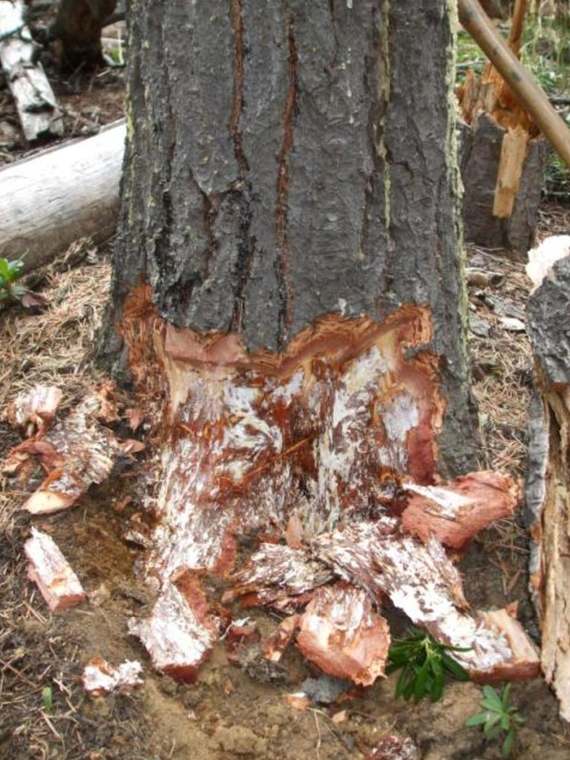
A honey fungus of the species Armillaria ostoyae in Malheur National Forest spreads through roots and soil as a connected network of filaments. Genetic testing showed that a vast area of dying trees was attacked by one individual, estimated to cover about 9.6 square kilometres. Age estimates run into the thousands of years.
Where this comes from
Facts that can change over time are reviewed and updated. If something here looks wrong, Mondo would rather know than be confidently incorrect.
Go further
More facts like this
Crater Lake is the deepest lake in the United StatesFormed in a collapsed volcanic caldera in Oregon, Crater Lake reaches a measured depth of 594 metres.Fungal mycelium forms vast underground nutrient sharing networksMycorrhizal fungi connect plant roots to exchange soil minerals for plant sugarsGreenland is the largest island in the worldAustralia counts as a continent rather than an islandSweden has more islands than any other countryAround 268,000 islands sit within its borders, most of them tinyThe Ganges-Brahmaputra delta is the largest river deltaIt spreads across about 100,000 square kilometres of Bangladesh and IndiaThe heaviest hailstone on record weighed just over a kilogramIt fell in Bangladesh in 1986 and killed several people
Tags: fungi, oregon, forest
The largest single organism may be a fungus: the short answers
- Where does this come from, and can I check it?
- One Armillaria network in Oregon covers nearly ten square kilometres. The figure is taken from USDA Forest Service, which is linked in full on this page. Every fact on Mondo Knows names its source rather than repeating an unsourced claim.
- Is this really a records & extremes fact?
- Yes. It sits on the Records & Extremes shelf, one of 1,090 sourced facts grouped into space, animals, the human body, history, science and more. Category pages collect every fact in the same field.
- What else can I read about it?
- The links under the fact point to a quiz, game, puzzle or calculator on the same subject, and the shelf below shows related facts. The wording here is original, and quoted phrases are marked as quotations.