Mondo Knows Facts
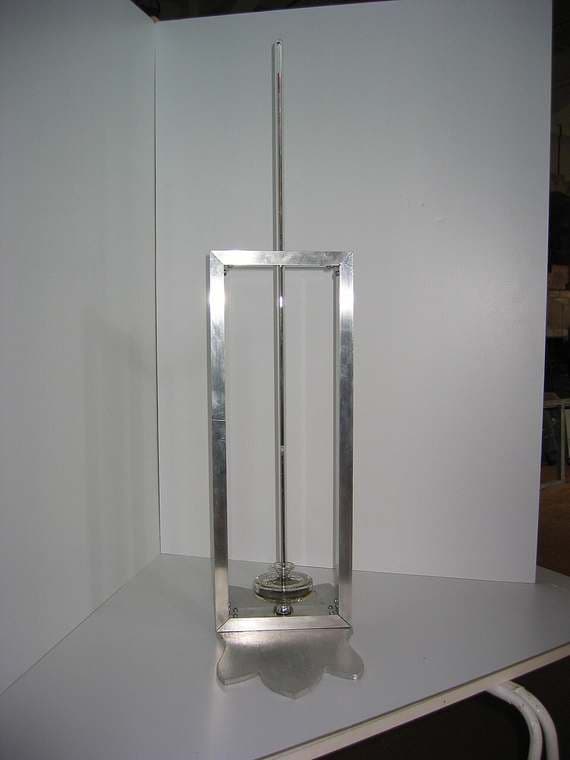
Torricelli invented the mercury barometer to measure air pressure
Weight from atmospheric air supports a column of liquid mercury inside sealed glass
Italian scientist Evangelista Torricelli inverted a glass tube filled with mercury into a basin in 1643, creating the world's first barometer. Weight from the surrounding atmosphere pushes down on open fluid, supporting a column of mercury roughly 760 millimetres high at sea level.
Where this comes from
Facts that can change over time are reviewed and updated. If something here looks wrong, Mondo would rather know than be confidently incorrect.
Go further
More facts like this
Umbrella canopies rely on hydrophobic water repellent coatingsChemical surface treatments cause raindrops to bead up and slide off fabricFolding umbrellas rely on articulated runners and tensioned rib jointsSliding central runners push hinged ribs outward to tension waterproof canopiesMary Anderson patented the mechanical car windscreen wiper in 1903A lever-operated rubber blade cleared sleet from trolley and car windscreensTying shoelaces with a square reef knot stops shoes unlacingProperly balanced shoelace bow knots prevent walking vibrations from loosening lace endsBallpoint pen ink thins temporarily under rolling shear stressThixotropic ink paste liquifies around revolving pen balls and dries instantlyWhistling kettles sound alerts when steam expands through dual holesEscaped steam vortexes inside spout caps to emit high-pitched acoustic whistles
Tags: weather, barometer, physics
Torricelli invented the mercury barometer to measure air pressure: the short answers
- Where does this come from, and can I check it?
- Weight from atmospheric air supports a column of liquid mercury inside sealed glass. The figure is taken from Encyclopaedia Britannica, which is linked in full on this page. Every fact on Mondo Knows names its source rather than repeating an unsourced claim.
- Is this really a everyday life fact?
- Yes. It sits on the Everyday Life shelf, one of 1,090 sourced facts grouped into space, animals, the human body, history, science and more. Category pages collect every fact in the same field.
- What else can I read about it?
- The links under the fact point to a quiz, game, puzzle or calculator on the same subject, and the shelf below shows related facts. The wording here is original, and quoted phrases are marked as quotations.