Mondo Knows Facts
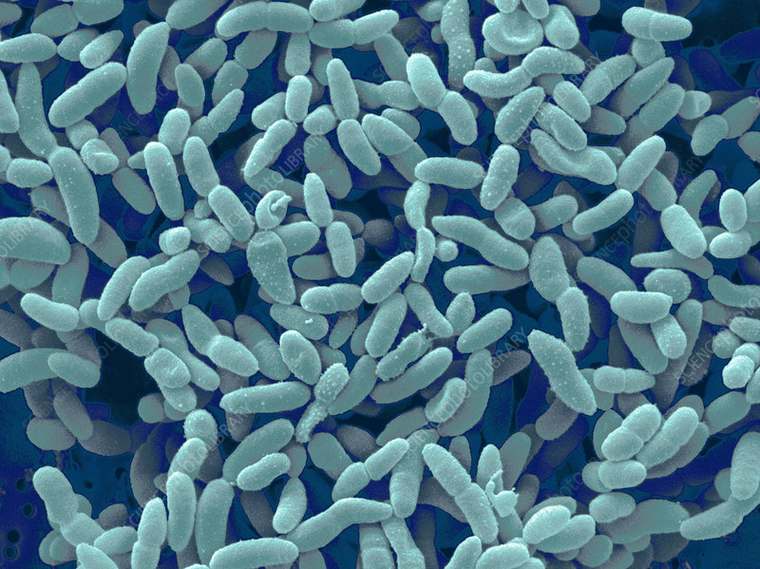
Acetobacter species turn ethanol into pungent vinegar
Two-stage fermentation converts sugar first into alcohol and then into acetic acid
Vinegar production requires a two-step biochemical process. First, yeasts ferment plant sugars from fruit or malt into ethanol. Second, aerobic acetic acid bacteria from the genus Acetobacter convert ethanol into acetic acid and water. The resulting acidity gives vinegar its sharp sour taste and antimicrobial preserving properties.
Where this comes from
Facts that can change over time are reviewed and updated. If something here looks wrong, Mondo would rather know than be confidently incorrect.
Go further
More facts like this
Vinegar preserves by pushing the pH below the safety lineAcidity around pH four stops most spoilage organisms growingStomach acid is strong enough to dissolve soft metalsGastric juice maintains a low pH to sterilise food and digest proteinsFish sauce is salt and fermented fish, and mostly umamiProteins break into amino acids, leaving free glutamate behindCultured butter is fermented before churningLactic acid bacteria add a tang and diacetyl adds a buttery aromaSourdough relies on wild yeast and lactic acid bacteriaLactobacilli sour the dough while wild yeasts generate carbon dioxide bubblesLactic acid bacteria transform milk into yoghurtBacterial fermentation lowers pH to coagulate milk proteins into a thick gel
Tags: vinegar, fermentation, acid
Acetobacter species turn ethanol into pungent vinegar: the short answers
- Where does this come from, and can I check it?
- Two-stage fermentation converts sugar first into alcohol and then into acetic acid. The figure is taken from Encyclopaedia Britannica, which is linked in full on this page. Every fact on Mondo Knows names its source rather than repeating an unsourced claim.
- Is this really a food fact?
- Yes. It sits on the Food shelf, one of 1,090 sourced facts grouped into space, animals, the human body, history, science and more. Category pages collect every fact in the same field.
- What else can I read about it?
- The links under the fact point to a quiz, game, puzzle or calculator on the same subject, and the shelf below shows related facts. The wording here is original, and quoted phrases are marked as quotations.