Mondo Knows Facts
Optical computer mice capture thousands of surface images per second
Digital signal processors track microscopic surface patterns beneath the mouse
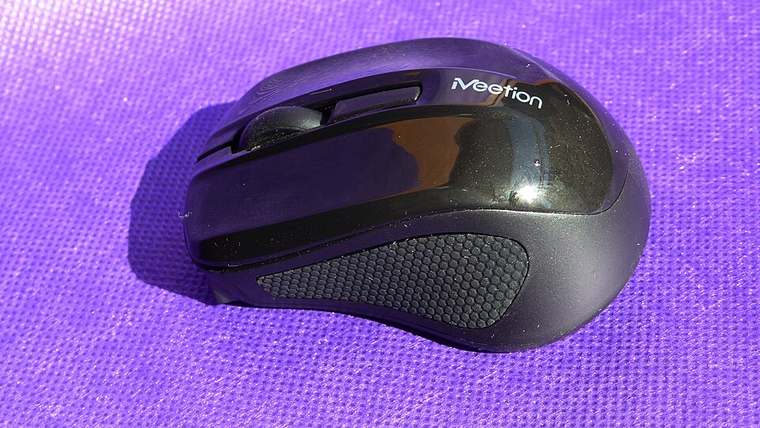
Modern optical computer mice replace tracking balls with a tiny optoelectronic sensor and light-emitting diode. The light illuminates the surface underneath while an integrated digital signal processor captures thousands of microscopic images per second, tracking cursor movement by detecting micro-texture patterns.
Where this comes from
Facts that can change over time are reviewed and updated. If something here looks wrong, Mondo would rather know than be confidently incorrect.
Go further
More facts like this
Uncoated brass door handles naturally kill surface bacteria over timeCopper ions in brass alloy destroy bacterial cell membranes automaticallyBarcode scanners read light reflected from white spacesOptical scanners detect reflected light between black lines rather than the black inkThe QWERTY keyboard layout was designed to prevent typewriter jamsSpacing out common letter pairs stopped mechanical typewriter levers from clashingENIAC was the first general-purpose electronic computerCompleted in 1945, ENIAC used thousands of vacuum tubes to calculate artillery firing tablesThe first computer mouse was made of woodDouglas Engelbart invented the computer mouse in 1964 using a wooden shell and internal metal wheelsThe term computer bug was popularized by a real mothEngineers found a moth trapped in a relay of the Harvard Mark II computer in 1947
Tags: computing, hardware, technology
Optical computer mice capture thousands of surface images per second: the short answers
- Where does this come from, and can I check it?
- Digital signal processors track microscopic surface patterns beneath the mouse. The figure is taken from Encyclopaedia Britannica, which is linked in full on this page. Every fact on Mondo Knows names its source rather than repeating an unsourced claim.
- Is this really a everyday life fact?
- Yes. It sits on the Everyday Life shelf, one of 1,090 sourced facts grouped into space, animals, the human body, history, science and more. Category pages collect every fact in the same field.
- What else can I read about it?
- The links under the fact point to a quiz, game, puzzle or calculator on the same subject, and the shelf below shows related facts. The wording here is original, and quoted phrases are marked as quotations.